My purpose in writing comes directly from what I went through personally. I didn’t start writing because I thought, “I want to be an author.” I started writing because I needed somewhere to put what I was feeling. At first, writing was an escape, a coping mechanism that helped keep me going when things were really hard. When I lost my best friend to suicide, the world around me changed in an instant. He wasn’t just a friend; he was someone I considered a brother, someone I thought would be beside me for the rest of my life. His death shattered the only sense of stability I had left. The grief was overwhelming, confusing, and isolating. I didn’t know how to talk about it, and I surely didn’t know how to carry it. Writing became the one place where I could put the pain down long enough to breathe.
Grief didn’t come in waves, it came like a flood. Some days I felt angry, other days numb, and some days I felt guilty for things I couldn’t control. I replayed memories, conversations, moments where I wished I had said or noticed more. That kind of loss changes the way you see everything: your relationships, your future, and even yourself. Instead of shutting down, I would sit and write about that feeling, what it looked like, what it sounded like, and how it felt to lose someone you thought would always be there. Some of the most emotional pieces in The Rise of the Soul trilogy came from those nights, where I was trying to understand how to keep living in a world that no longer had him in it.
Over time, writing stopped being just a coping mechanism and became a way to make meaning out of what I’d been through. Losing someone who meant that much to me forced me to confront emotions I had never experienced before, including anger, guilt, heartbreak, and a deep sense of emptiness. Instead of just surviving those feelings, I started shaping them into something that could potentially help someone else. That’s where The Rise of the Soul trilogy comes from; it’s my attempt to turn pain, confusion, grief, and growth into something useful and honest that other people can connect with. When I shared some of these pieces, people told me, “I’ve felt exactly that, but I never knew how to say it.” That’s when I realized writing could be more than just my private outlet, and it could be a way to give language to experiences that a lot of people share, but don’t talk about.
There also came a point where all the grief, pressure, physical health issues, and emotional exhaustion became too heavy to manage on my own, and I reached a breaking point. My mental health declined to the point where I couldn’t pretend I was okay anymore. I was overwhelmed, drained, and struggling to keep myself afloat. That’s when I ended up in the hospital.
Being hospitalized was one of the hardest experiences of my life, but it was also one of the most important. It forced me to stop running from my pain and actually face it. It forced me to admit that I needed help, something I had always struggled to do. In that environment, surrounded by people who were also fighting their own battles, I realized I wasn’t alone. I realized that needing help didn’t make me weak; it made me human. Recovery wasn’t instant, nor was it clean or easy. It was slow, uncomfortable, and full of moments where I questioned whether I was getting better at all. But it was also full of small victories—moments where I felt myself breathing easier, thinking clearer, and finding hope again. Writing played a huge role in that recovery, as did Scouting and the people who refused to give up on me even when I wanted to give up on myself.
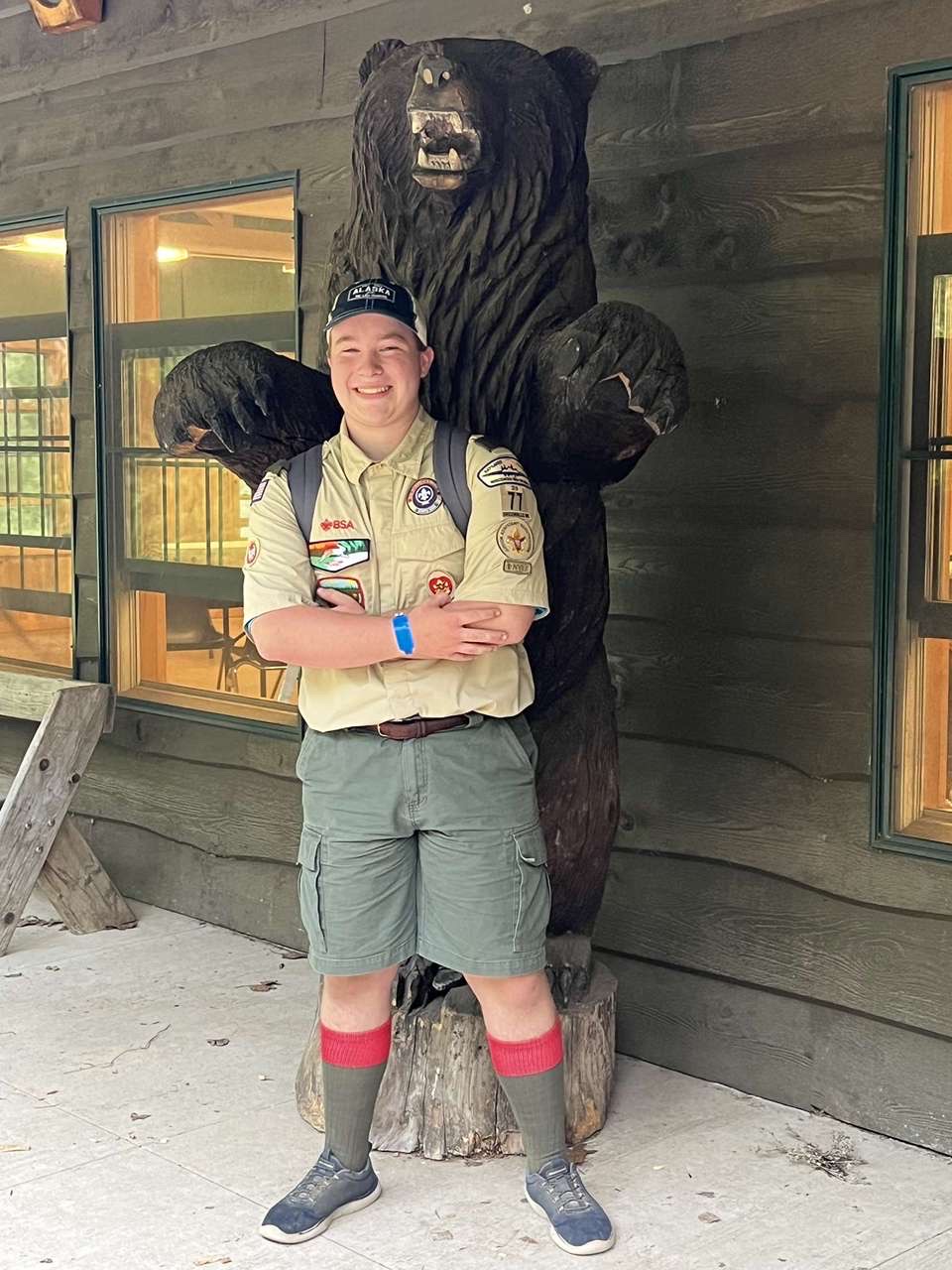
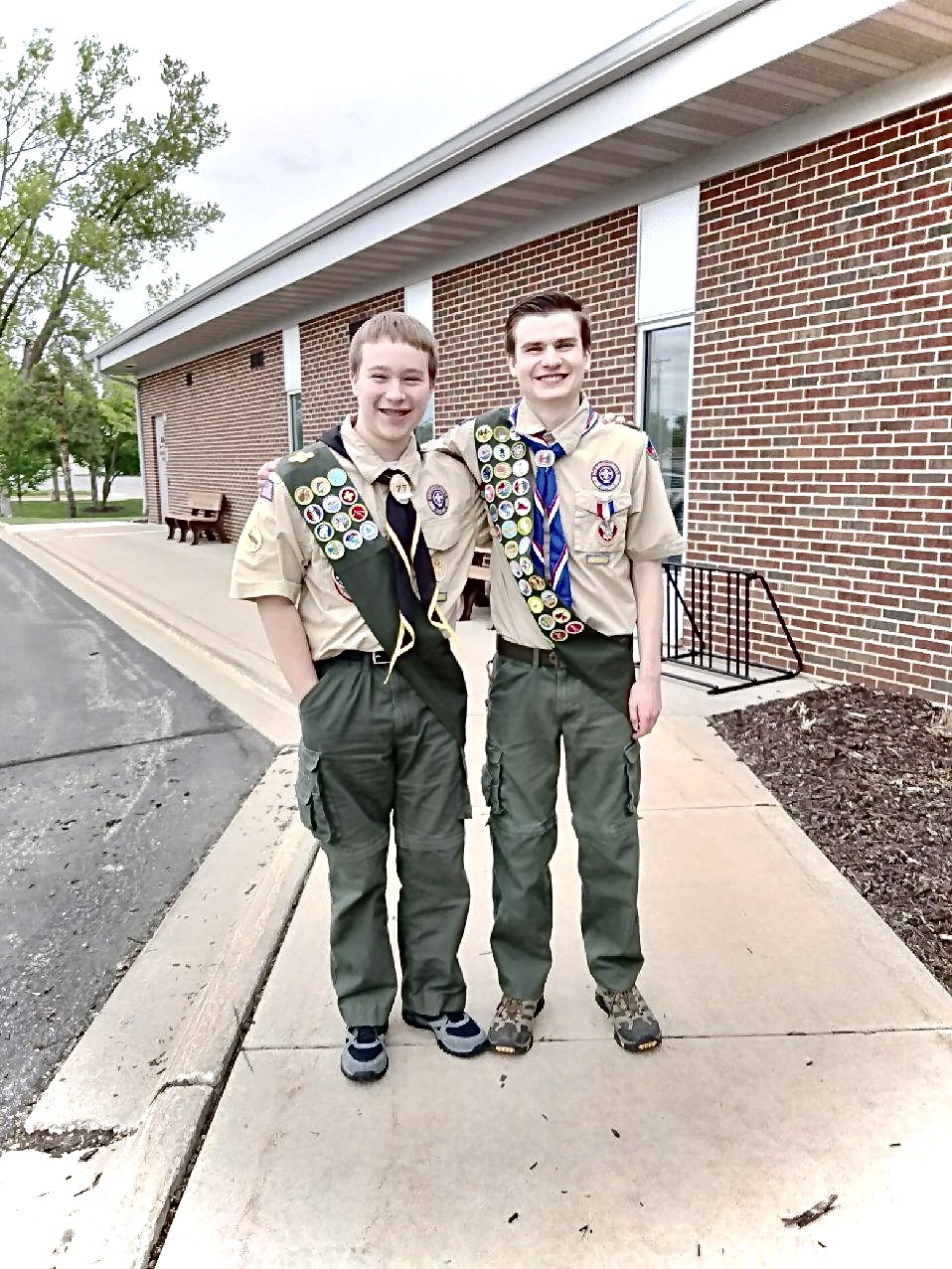
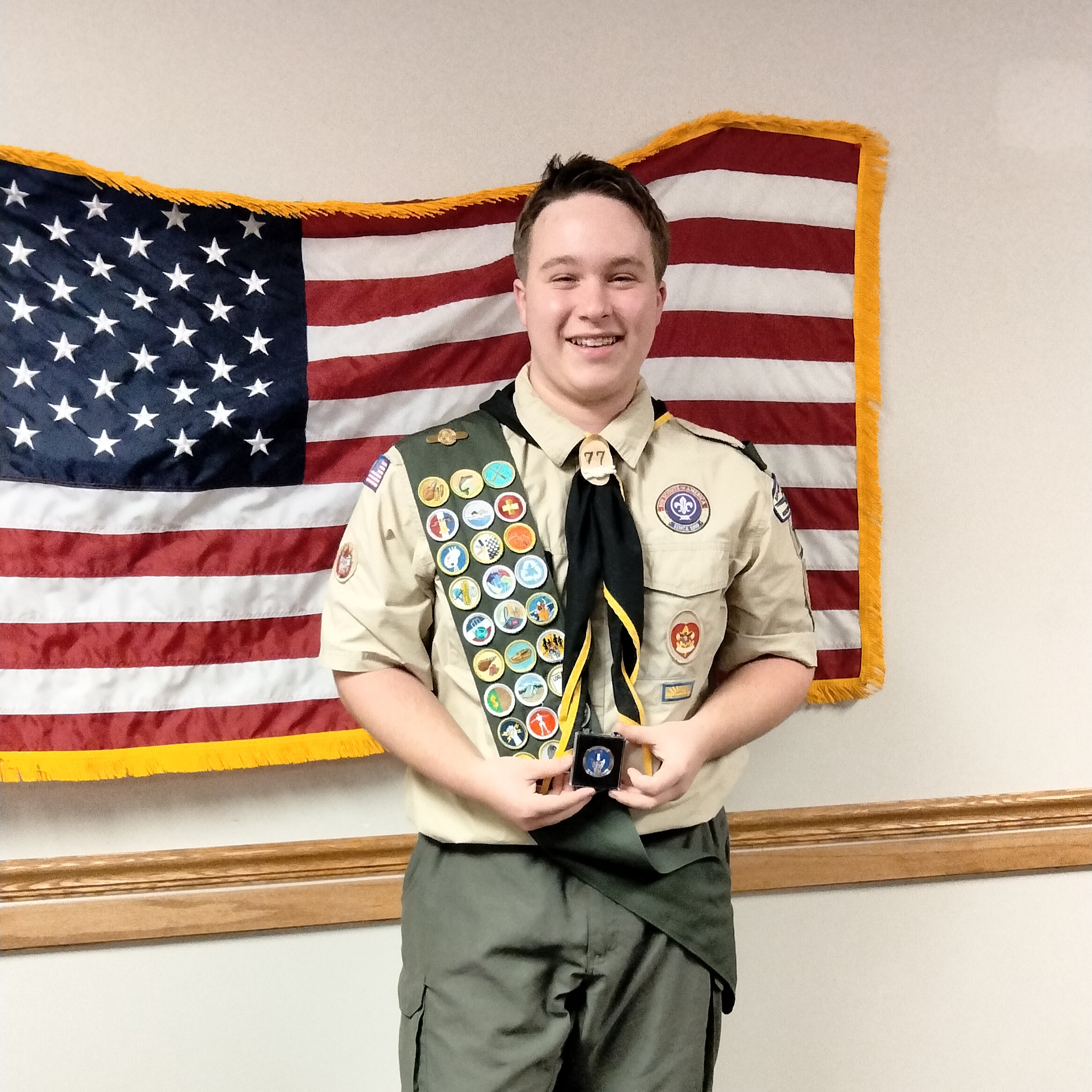
Alongside writing, Scouting was one of the things that genuinely kept me alive. It gave me structure, purpose, and a community when I really needed it. There’s something about showing up to meetings, going on campouts, working on projects, and being part of a patrol or a troop that quietly tells you, “You matter here. People are counting on you.” When I look back, I can see that Scouting was doing mental health work without calling it by name. It was building resilience, confidence, and a sense of belonging in me at a time when I really needed those things. I don’t think we always realize how powerful that is, especially for youth who might be struggling under the surface.
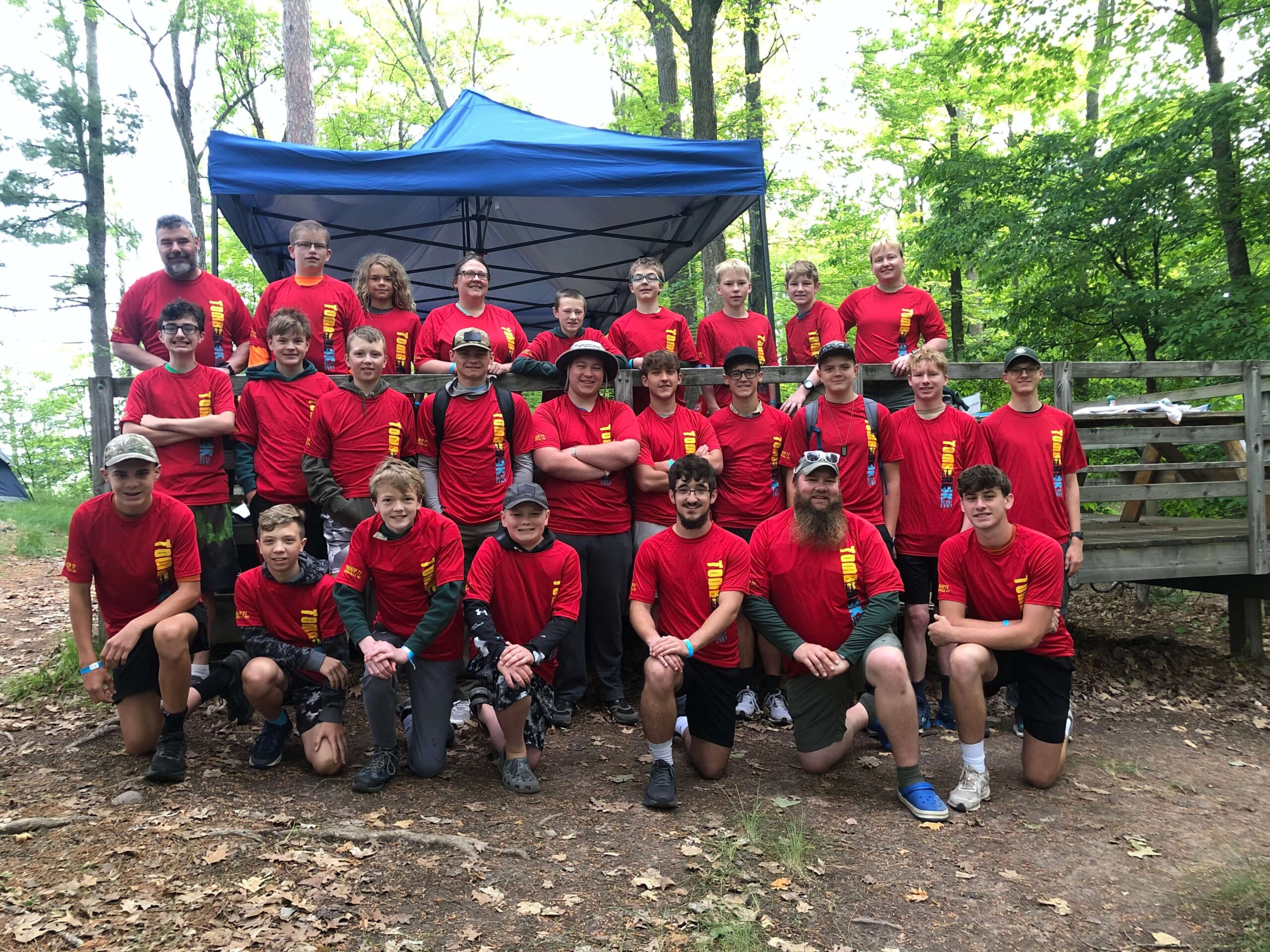
I remember being at camp one summer, standing around a campfire with my troop. We weren’t talking about mental health, though. We were just laughing, telling stories, and planning the next day. I remember feeling, for the first time since losing my friend, like I wasn’t completely alone in the world. That feeling of being part of something bigger than yourself, is quietly lifesaving. Scouting provided me with that over and over again.
One of my core beliefs is that Scouting already has a huge positive impact on mental health, it just doesn’t always name or structure it intentionally. When a young person learns to set goals, face challenges, work with a team, and feel supported by adults who care about them, that’s mental health work. When they have a place where they feel they can belong, be themselves, and be accepted, that’s mental health work too. I’ve seen Scouts who come in shy, anxious, or unsure of themselves, and over time they start to stand taller, speak up more, and trust that they have something to offer. That transformation isn’t just about badges or rank; it’s about their internal world changing. I think we need to recognize that and build on it.
I’ve watched a Scout who struggled with anxiety take on a leadership role for the first time. At the start, he was terrified of making mistakes. But with support from his peers and adults, he led a campfire program, stumbled a bit, laughed it off, and kept going. Afterward, he said, “I didn’t think I could do that.” That moment both a leadership and mental health win. It’s a moment where his belief about himself shifted.
My hope for the future is to help Scouting take its mental health impact more seriously and more intentionally. I want us to move from, “this happens accidentally” to “we are trained, prepared, and committed to supporting mental health in our units, at our camps, and in our communities.” That means educating Scouts, both youth and adults, on how to recognize when someone is struggling, how to offer support, and how to help connect them to the appropriate resources. It also means helping people understand their own mental health, not just “fixing” others. I know from my own experience how hard it can be to ask for help or even admit that you need it. I want Scouting to be a place where that feels possible and safe for everyone.
Practically, that might look like a dedicated mental health training module for adult leaders, or a merit badge that helps youth learn about stress, coping skills, and how to support a friend. It could look like camp staff being trained to respond when a camper is overwhelmed, not just sending them home. It could look like units having a culture where it’s okay to say, “I’m not okay today,” and know that someone will listen.
I can think of specific moments at camp where I felt my life shifting. Standing on a ridge at sunset after a long day, exhausted but proud. Sitting in a tent talking with a friend about something serious for the first time. Laughing around a campfire until my sides hurt. Those moments don’t show up on a financial report, but they’re the reason people come back, and the reason Scouting stays with them into adulthood.
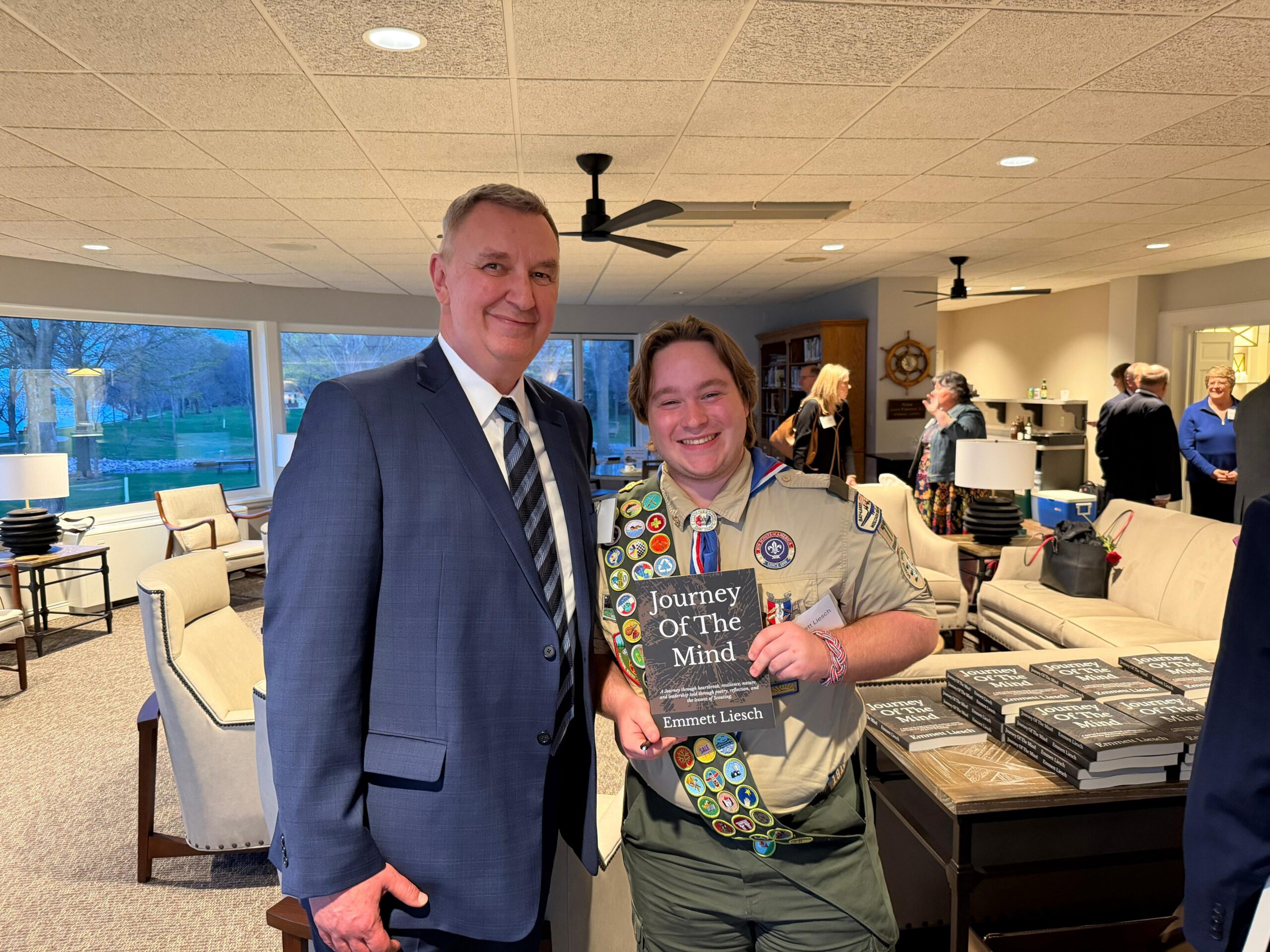
The trilogy, Journey of the Mind, The Scout Within, and The Soul’s Compass is a reflection of my journey through grief, struggle, healing, identity, and faith. Each book explores a different stage of rising: the mental battles, rebuilding of the heart, and spiritual awakening that ties everything together. These are written so others can see themselves in my story. They’re meant to be companions for anyone walking through darkness, searching for purpose, or trying to understand their own mind.
Much of the wisdom, imagery, and grounding in the trilogy comes from Scouting. The metaphors of trails, compasses, patrols, and service show up throughout the books, not as Scouting lessons, but as emotional truths. My hope is that the trilogy can serve as a resource within Scouting and beyond it: something a leader might read at a campfire, something a Scout might turn to when they feel alone, or something that sparks a conversation about mental health in a troop or crew.
Additionally, I want my writing to reach beyond Scouting. There are people everywhere who are struggling, who feel isolated, or who don’t know how to express what they’re going through. If my books can give even a few of them language, comfort, or a sense of connection, then I’ve done something meaningful. In that way, Scouting’s influence can ripple outward through my writing, offering support to people who may never wear a uniform but still need hope.
Ultimately, my writing, involvement in Scouting, goals for the future all come back to the same purpose: to turn what I went through into something that helps others. Losing my best friend changed me forever, but it also gave me a sense of mission, and that is to make sure no one feels as alone as I did, and to help build communities where people can speak openly about their struggles. My hospitalization taught me the importance of asking for help and the power of being supported. I want to strengthen the mental health network within Scouting, preserve the magic of our camps, and create resources that help people feel seen and understood. If I can help even one person feel less alone, more supported, or more willing to reach out for help, then I will have honored what Scouting gave me and transformed my own story into something that matters.